
BONICAL-K
30 Tablets
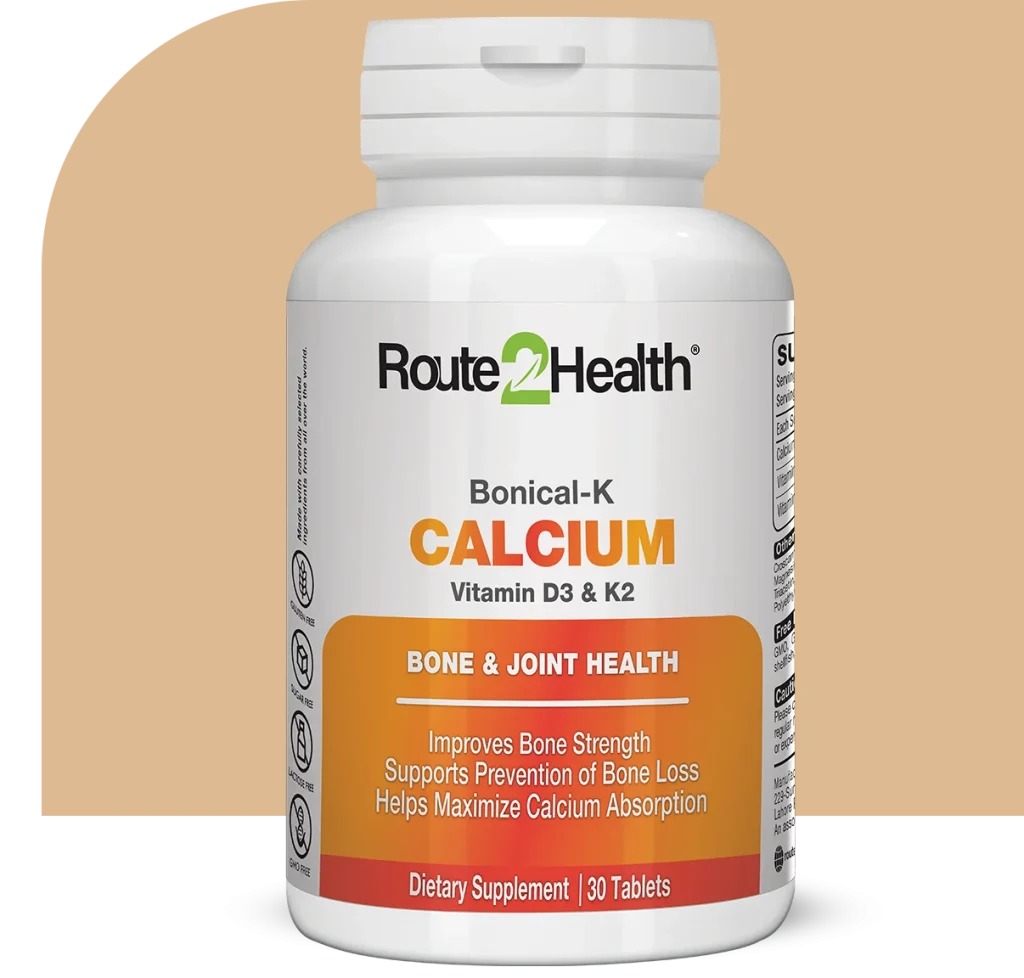
Highlights
- Triple Nutrient Formula – Provides 500 mg of calcium, 400 IU of vitamin D3, and 90 mcg of vitamin K2 per serving in tablet form
- Supports Calcium Absorption – Vitamin D3 supports normal calcium absorption when taken as part of a balanced diet
Bone Health Maintenance – Vitamin K2 contributes to normal maintenance of - bones as part of overall health support
- Easy-to-Take Tablets – Convenient daily tablet format, suitable for regular supplementation needs
- Quality You Can Trust – Made by Route 2 Health, using carefully selected ingredients and manufacturing standards
PRODUCT
BENEFITS

Improves Bone Strength

Increases Calcium Absorption

Prevents Bone Loss
Bonical-K is fortified with a powerhouse trio of calcium, vitamin D3, and vitamin K2, each playing a crucial role in enhancing bone density and promoting joint flexibility. This potent blend is specially crafted to prevent issues like osteoporosis, joint stiffness, and age-related bone degeneration.
“REVITALISE YOUR BONES EMPOWER YOUR JOINTS!"
Bonical-K combines the essential trio of calcium, vitamin D3, and vitamin K2 to create a dynamic formula that addresses bone and joint health. Calcium fortifies your skeletal structure, vitamin D3 enhances calcium absorption for optimal bone mineralization, and vitamin K2 contributes to bone formation and strength. This potent blend is specially crafted to tackle issues like osteoporosis, joint stiffness, and age-related bone degeneration.
Choose Bonical-K for a holistic approach to skeletal wellness!
| VShelf Life | 730 day |
ALL THAT YOUR BONES NEED
Bone
Strength
Bonical-K significantly contributes to bone strength through its rich calcium content. Calcium is a fundamental building block for hydroxyapatite crystals, reinforcing bone density and providing a robust skeletal foundation. By providing 500mg of calcium, Bonical-K actively supports the structural integrity of your bones, promoting resilience and longevity.
Calcium Absorption
The dynamic formulation of Bonical-K optimizes calcium absorption within the body, as vitamin D3 enhances calcium absorption. This enhanced absorption facilitates the efficient transport of calcium to the bones, fostering superior bone mineralization. By improving the bioavailability of calcium, Bonical-K empowers your skeletal system to maintain optimal density and strength.
Bone Loss Prevention
Bonical-K takes a preventative approach to bone loss with the inclusion of calcium and vitamin K2. Vitamin K2 supports the synthesis of osteocalcin, a key protein in bone formation. By promoting proper calcium utilization, Bonical-K acts as a shield against age-related bone degeneration, proactively preserving bone mass and structural integrity for long-term skeletal health.
PRODUCT
FAQs
Why is calcium important for the human body?
Calcium is crucial for the human body, as it plays a vital role in building and maintaining strong bones and teeth. Additionally, it is essential for proper blood clotting, muscle function, and nerve transmission.
What are the sources of calcium?
Common sources of calcium include dairy products (milk, cheese, yoghurt), leafy green vegetables (kale, broccoli), nuts, seeds, and fortified foods like certain cereals and plant-based milk alternatives.
What is the daily requirement of calcium?
Daily recommended amount of calcium:
From Birth to 6 months: 200 mg
Infants from 7 to 12 months: 260 mg
Children 1 to 3 years: 700 mg
Children 4 to 8 years: 1,000 mg
Children & Teenagers: 9 to 18 years: 1,300 mg
Adults 19 to 70 years: 1,000 mg
Adult women 51 to 70 years: 1,200 mg
Adults 71 years and older: 1,200 mg
Pregnant and breastfeeding teens: 1,300 mg
Pregnant and breastfeeding adults: 1,000 mg
What happens if the required calcium is not taken?
Insufficient calcium intake can lead to weakened bones, an increased risk of fractures, and conditions like osteoporosis, especially as one ages. It is essential to meet daily calcium requirements to support overall bone health.
What is the importance of vitamin K2?
Vitamin K2 is crucial for bone health as it helps regulate calcium metabolism. It ensures that calcium is directed to the bones and teeth rather than accumulating in soft tissues, supporting optimal bone density.
What are food sources of vitamin K2?
Vitamin K2 is found in fermented foods like natto, dairy products, egg yolks, and certain fatty fish. Including these sources in your diet ensures an adequate intake of vitamin K2 for overall well-being.
Why do I need vitamin D3?
Vitamin D3 is essential for the body as it aids in the absorption of calcium from the intestines. It plays a key role in maintaining proper levels of calcium and phosphorus in the blood, contributing to overall bone health.
What is the daily requirement of vitamin D3?
Recommended Dietary Allowances (RDA) for Vitamin D:
- Up to 12 months: 400 IU per day
- 1 year to 70 years: 600 IU per day
- Pregnancy & Nursing mothers: 600 IU per day
- 70 years and above: 800 IU per day.
Reference: https://ods.od.nih.gov/factsheets/VitaminD-HealthProfessional/
What are the symptoms and signs of vitamin D deficiency?
Common symptoms of vitamin D deficiency include fatigue, muscle weakness, bone pain, frequent illness, and mood disturbances. Severe deficiency can lead to conditions like rickets in children and osteomalacia in adults.
Is vitamin D associated with any medical conditions?
Yes, vitamin D is associated with various medical conditions, including bone disorders (osteoporosis, rickets), autoimmune diseases, cardiovascular diseases, and certain cancers. Adequate vitamin D levels are crucial for overall health.
Is there any association between skin colour and age with vitamin D?
Yes, individuals with darker skin may have a higher risk of vitamin D deficiency as melanin reduces the skin’s ability to produce vitamin D from sunlight. Age is also a factor, with older adults often having reduced skin synthesis and lower sun exposure.
What are the benefits and uses of vitamin D3?
Vitamin D3 is vital for calcium absorption, bone health, immune function, and mood regulation. It has been linked to reducing the risk of chronic diseases such as heart disease and certain cancers.
What is the recommended intake of vitamin D?
The recommended daily intake varies, but generally, adults need around 600-800 IU (International Units). However, individual requirements can differ, and consulting with a healthcare professional for personalised advice is advisable.